







Dogs
The First Week With a Puppy: A Calm, Practical Plan
The first week is not about teaching tricks. It is about safety, sleep, and a routine predictable enough that a puppy can relax.
Pet care & ownership / independent desk
Practical guides to dogs, cats, small pets, health, and gear — written for real homes, real schedules, and the decisions that keep animals well.
Why this desk exists
Most pet content assumes an ideal home: a garden, unlimited time, and a budget for every gadget. We write for the other home — the flat with one window, the family with a late bus, and the owner deciding between two sensible options.
Learn more about usHow we work
A walk schedule, feeding time, and litter routine only work if the week can hold them. Start with the version you can repeat on a bad day.
Bedding depth, enclosure size, and a quiet corner are decided before the animal arrives. Getting these right prevents most starter problems.
Every guide names the signs that need a veterinarian. Deciding in advance removes the guesswork when something actually changes.
Five categories
Start here
Dogs
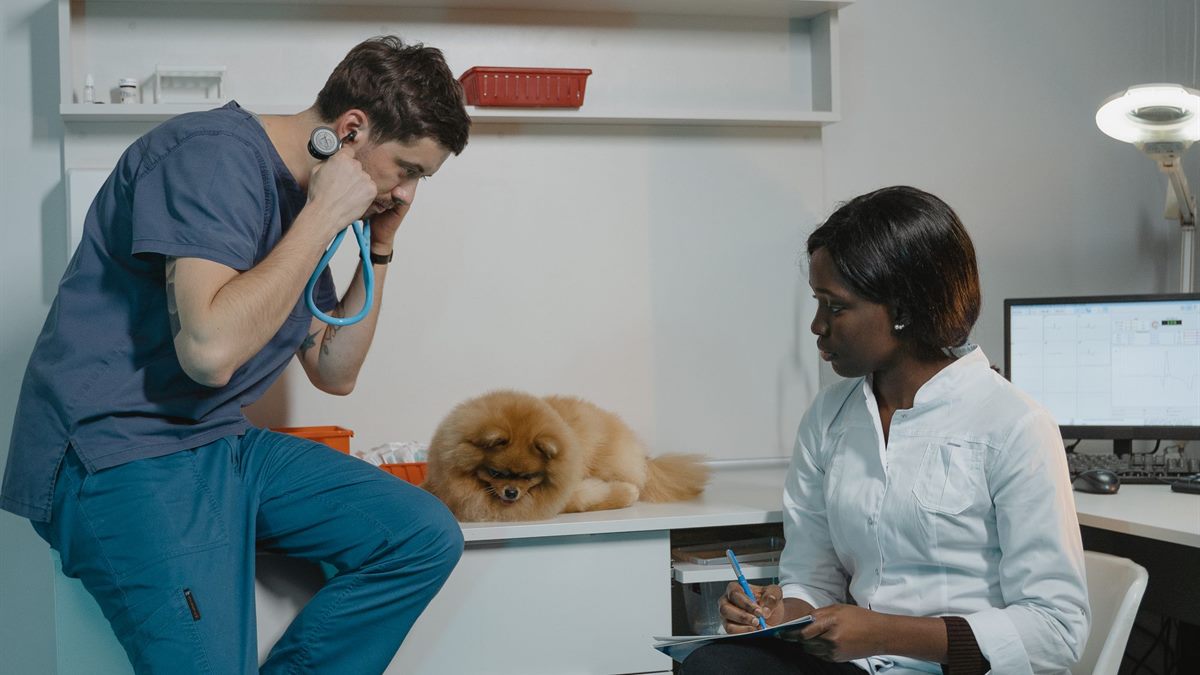
The first week is not about teaching tricks. It is about safety, sleep, and a routine predictable enough that a puppy can relax.
Cats
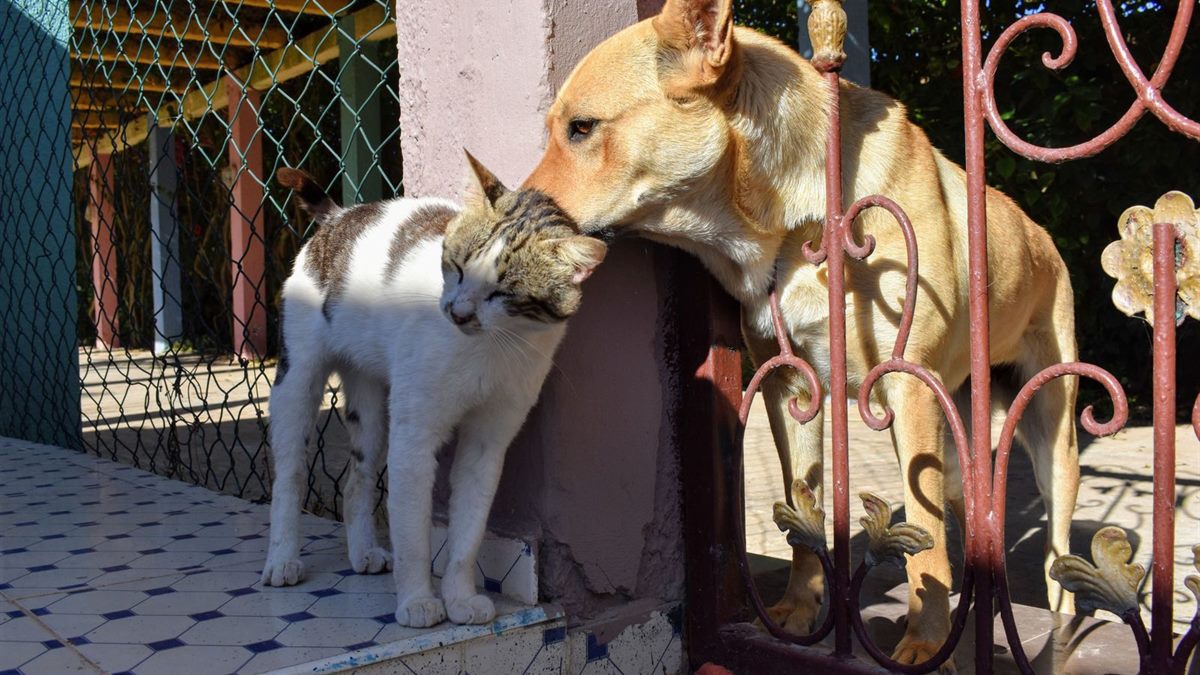
An indoor cat does not need more toys. It needs a home with height, scratchable surfaces, a hunting routine, and places to watch the world go by.
Pet Health
A good vet visit starts at home. Notes, records, and a short symptom log turn a rushed ten minutes into a useful appointment.
Latest
25 October 2026 · 6 min read
A crate works when the puppy chooses it for sleep. Forcing the door closed turns it into a place of fear.
24 October 2026 · 6 min read
Most scratching posts fail because they wobble or sit in the wrong corner. Height and stability matter most.
23 October 2026 · 6 min read
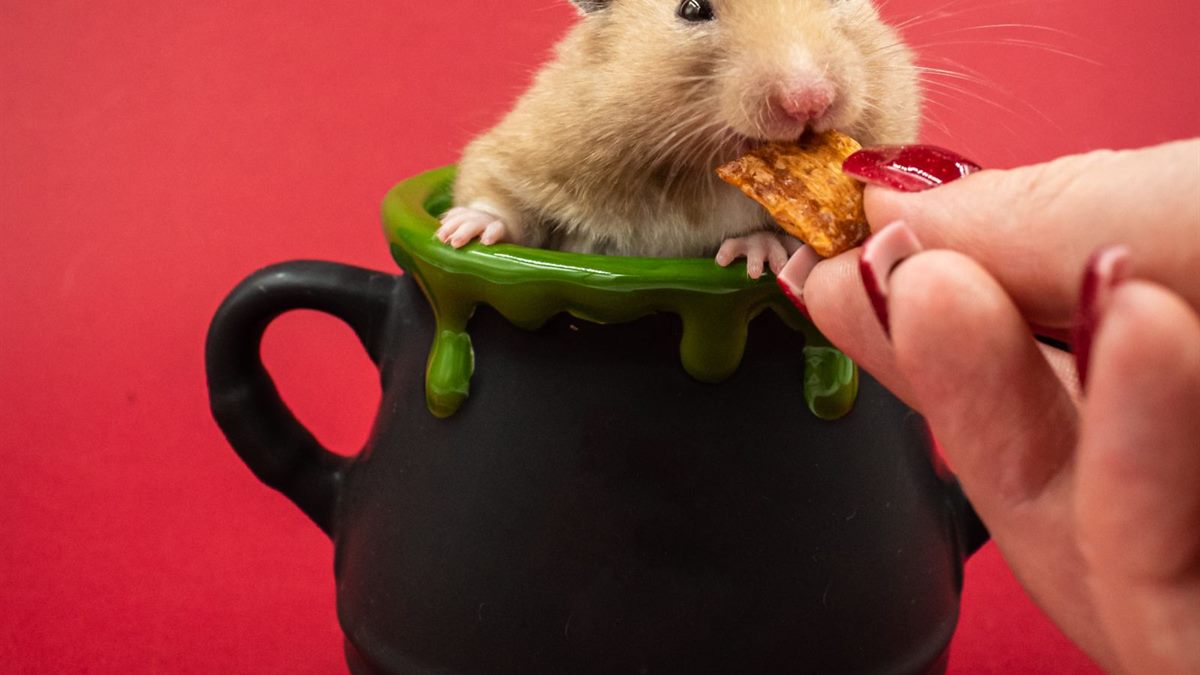
Guinea pigs need floor space and company. A hutch on its own is not enough.
Questions
Start with the question that matches the decision in front of you, not the one that sounds most advanced.
Ask us directlyStart with the routine before the equipment. Choose the guide for your animal, set a daily pattern you can keep for a month, and only then buy gear that matches the space you actually have.
Most adult dogs do well with two walks a day plus a short training session. Breed, age, and health change the total, so build the habit first and adjust duration after the first two weeks.
It asks for planning rather than constant work. A tall scratching post, a quiet litter box, and a daily play session cover most of what an indoor cat needs to stay calm and active.
Breathing trouble, repeated vomiting, straining to urinate, seizures, or a sudden change in eating and drinking should not wait for a routine appointment. Call a clinic the same day.
One decision at a time
No account, no product to buy. Pick a category, run the routine, and change one detail when it stops working.
Open the guide index