A cat that stops using the litter box is usually described as having a behaviour problem. In most homes it is a setup problem: the tray is too small, sits next to the food bowl, carries a scent the cat dislikes, or is cleaned on a schedule that suits the human rather than the cat. Fix the environment first, because that is cheaper and kinder than assuming the cat is being difficult.
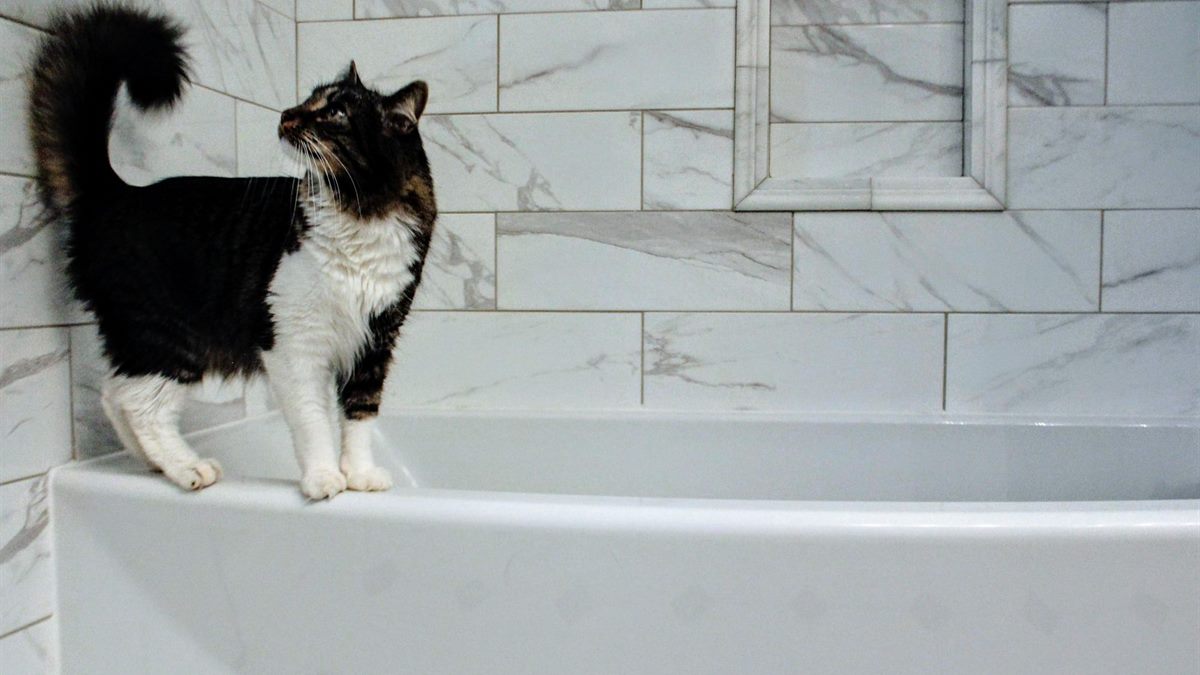
Size the box for the cat, not the shelf
The box should be roughly one and a half times the length of the cat from nose to base of tail, measured without the tail. Most commercial boxes sold as standard are too small for an adult cat. An inexpensive plastic storage tub cut down on one side often works better than a purpose-built tray.
Depth matters in both directions. A high side keeps litter inside and gives the cat room to dig, but young, elderly, or arthritic cats need a low entry they can step over. A box with one low side and three high sides solves both.
Use unscented litter at a workable depth
Fill to about three to five centimetres. Deeper is not cleaner; it just makes digging harder and sends more litter over the side. Clumping litter is easy to scoop, but some cats prefer fine, unscented clay or a pellet litter. Scented litter is marketed for humans. Cats have a far more sensitive nose and often refuse it.
Change the litter type only when you have to, and mix the new type in gradually over a week. A sudden switch is a common cause of a sudden refusal.
Placement: quiet, visible, and away from food
The box needs two things that sound contradictory: a quiet spot, and an exit the cat can see. A corner in a busy hallway fails the first test. A closed cupboard fails the second, because a cat that cannot see who is approaching may avoid the box altogether.
Keep a clear line between the box and the food and water bowls. Cats are fastidious about this. Bathrooms, utility rooms, and low-traffic corners work well when they are not damp or loud. If you live in a multi-floor home, put a box on each floor.
One box per cat, plus one
The usual guidance is one box per cat plus one extra. Two cats and one box is a recipe for a queue, and a queue is a reason to find somewhere else. Spread the boxes rather than lining them up in one room, so no cat can guard all of them.
If space is limited, two boxes on different floors or in different rooms still beat three boxes side by side in one corner.
Cleaning rhythm and deep cleans
- Scoop solids at least once a day, twice if there is more than one cat.
- Top up litter after scooping and keep the depth steady.
- Wash the tray with mild unscented soap every week or two and dry it fully.
- Replace clumping litter completely every two to four weeks, sooner if it smells.
- Avoid strong disinfectants, citrus cleaners, and ammonia, which leave an unwelcoming scent.
When the cat still avoids the box
If the setup is right and the cat still goes elsewhere, get a veterinary check. Urinary and digestive problems cause painful urination and a real aversion to the box. A cat that cries, strains, or licks itself more than usual needs a vet before any behavioural plan. The ASPCA litter box guidance covers the medical and behavioural checklist in more detail.
Also look at the room the cat lives in. A bored indoor cat that has nowhere to climb, scratch, or hide is more likely to develop stress-related habits. The guide to indoor cat enrichment covers the environment work that supports a calm cat.
Give any change two weeks before judging it. Cats are conservative about new objects, and a box moved, replaced, or refilled on the same day is a lot to ask at once.
Frequently Asked Questions
How big should a cat litter box be?
About one and a half times the length of the cat without its tail. Most standard trays are too small for adult cats. A large plastic storage tub often works better and costs less.
How often should litter be fully changed?
Scoop at least daily and replace clumping litter completely every two to four weeks. Wash the tray with mild unscented soap every week or two and dry it before refilling.
Should I use scented litter?
Prefer unscented. Scented litter is designed for human noses and many cats avoid it. If you want odour control, increase scooping frequency instead of adding fragrance.
Why does my cat pee outside the box suddenly?
A sudden change can be medical. Urinary problems are common and painful. Book a vet check first, then review box size, cleanliness, placement, and household stress.
Read next
Indoor Cat Enrichment: Build a Home Worth Exploring
An indoor cat does not need more toys. It needs a home with height, scratchable surfaces, a hunting routine, and places to watch the world go by.