Place several water bowls around the house. Keep the bowls away from the food and the litter box. A cat uses the space you give it, so height, hiding places, and scratching surfaces matter more than any single toy.
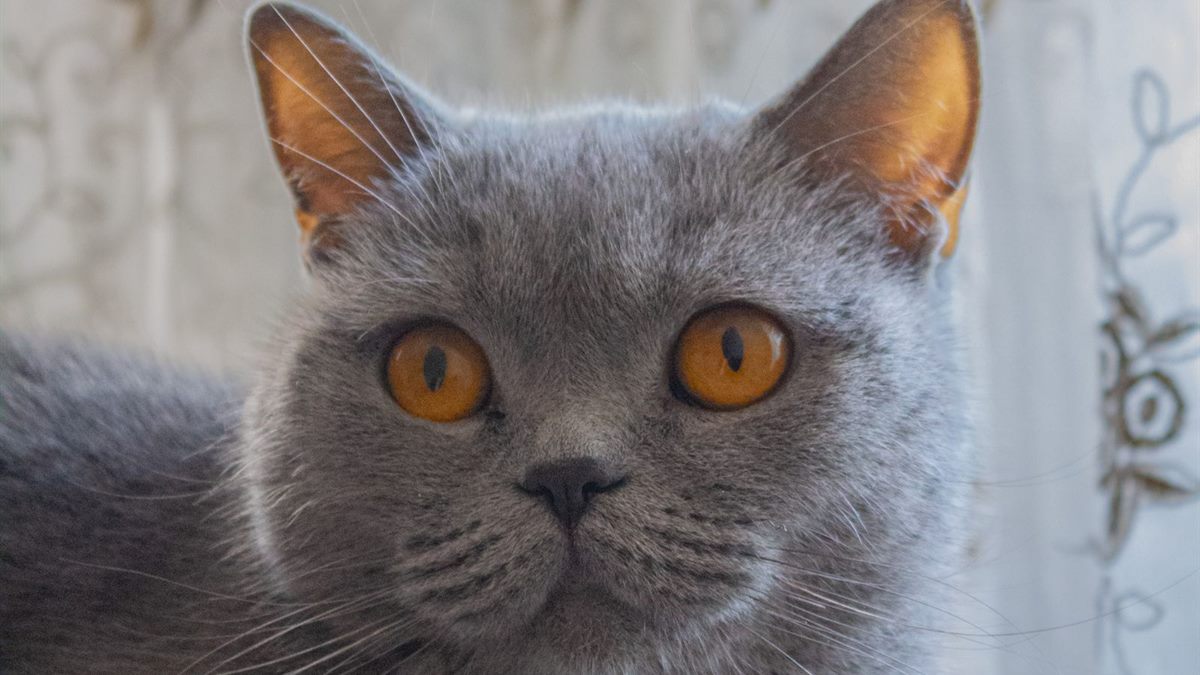
Build the environment first
Use wide bowls so the whiskers do not touch the sides. Try a fountain, as many cats prefer running water. Cats prefer resources spread apart, and a food bowl placed next to the litter box creates avoidable stress.
Keep resources separate
Add water to wet food to increase intake. Change the water daily and clean the bowl. The litter box is the clearest daily health report a cat provides, which is why cleaning and observing it matters.
Before adding another toy or tree, count the resources: litter boxes, water bowls, scratching posts, resting spots, and high places. A multi-cat home needs one more litter box than the number of cats, and each resource should be visible without crossing another cat. Spend a week noting where the cat actually rests and scratches, then place the equipment there rather than where it looks best in the room. Watch the traffic in the room as well, since a resource placed in a corridor gets used less than the same resource in a quiet corner. Feed in separate rooms if two cats stare at each other over the bowl, and move a box rather than adding a fourth when both cats prefer the same spot. Good placement costs nothing and fixes more than new equipment does.
Check that the cat can reach the water easily. Cats resist sudden change, so move furniture and food in small steps rather than all at once.
Check the basics first
- Multiple bowls
- Away from food and litter
- Try a fountain
- Wet food adds water
Watch the litter box closely
Watch for dehydration signs such as tacky gums. Note any sudden increase in drinking, which can signal illness. Play that mimics hunting is more satisfying than a toy left on the floor.
Keep the water cool in hot weather. Avoid plastic bowls if the cat gets chin acne.
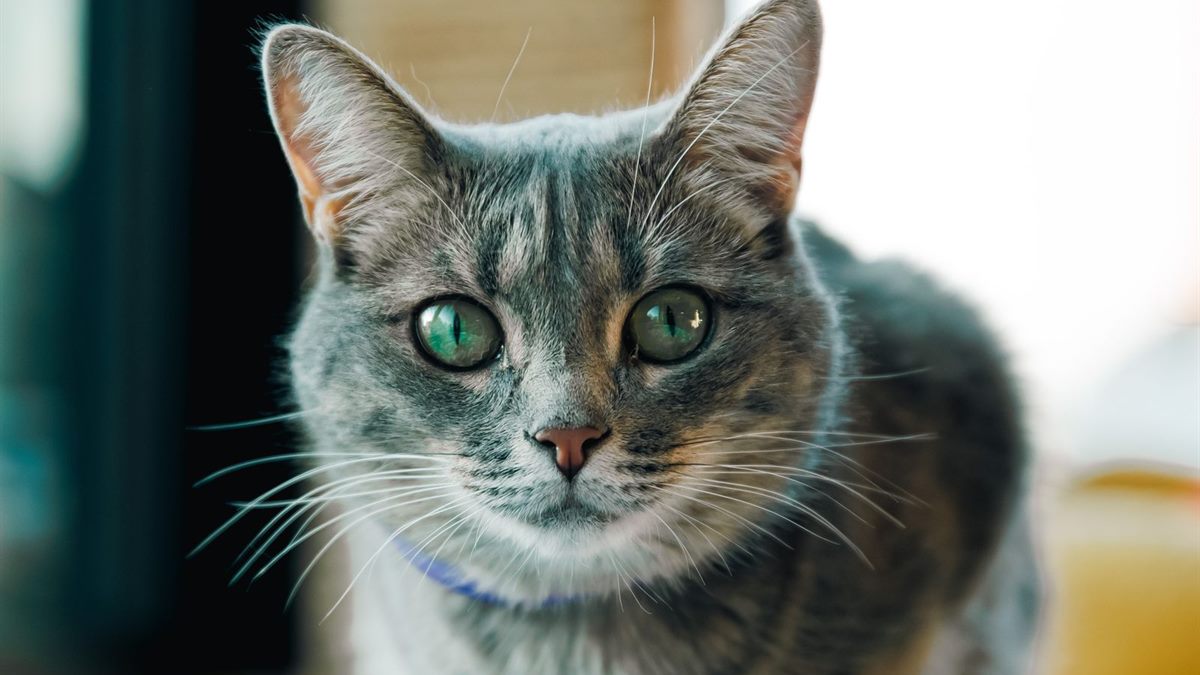
Make changes slowly
Place a bowl in a quiet spot rather than a busy corridor. Use a ceramic or stainless steel bowl. A calm cat is usually a cat with choices, not a cat with more equipment.
If behaviour changes, check the litter box and the food intake first, since both reveal problems earlier than a vet visit can. Keep the litter clean, the water fresh, and the routine steady, especially after a move or a new pet. Introduce changes one at a time and give the cat a week to adjust, because a confident cat explores on its own schedule, not on yours. Keep a note of the weight monthly with a kitchen scale if the cat tolerates it, because a small drop matters more in cats than in dogs. Watch for a change in grooming, a quieter meow, or a different sleeping place, since these often appear before appetite changes do. When in doubt, book the vet visit rather than waiting for a clearer sign, and bring the log with you.
Check the fountain pump and clean it regularly. Ask the vet about hydration for older cats. Small changes in water access make a real difference. If you want the wider picture, read Hairballs: Prevention and Care before you decide.
For the underlying guidance, see the International Cat Care advice.
Frequently Asked Questions
How much water should a cat drink?
Roughly 40 to 60 millilitres per kilogram per day, including water in food.
Why does my cat drink so little?
Cats evolved to get water from prey. Wet food and a fountain help.
Is a water fountain worth it?
For many cats yes. Clean the pump regularly to avoid bacteria.
When is drinking more a problem?
A sudden increase can signal kidney or thyroid disease. See the vet.
Read next
Indoor Cat Enrichment: Build a Home Worth Exploring
An indoor cat does not need more toys. It needs a home with height, scratchable surfaces, a hunting routine, and places to watch the world go by.