Choose a food that meets the dog life stage and size. Mix the new food with the old rather than replacing it. Dogs settle when the day has a shape they can predict, and most behaviour problems shrink once feeding, walking, and rest happen at roughly the same time.
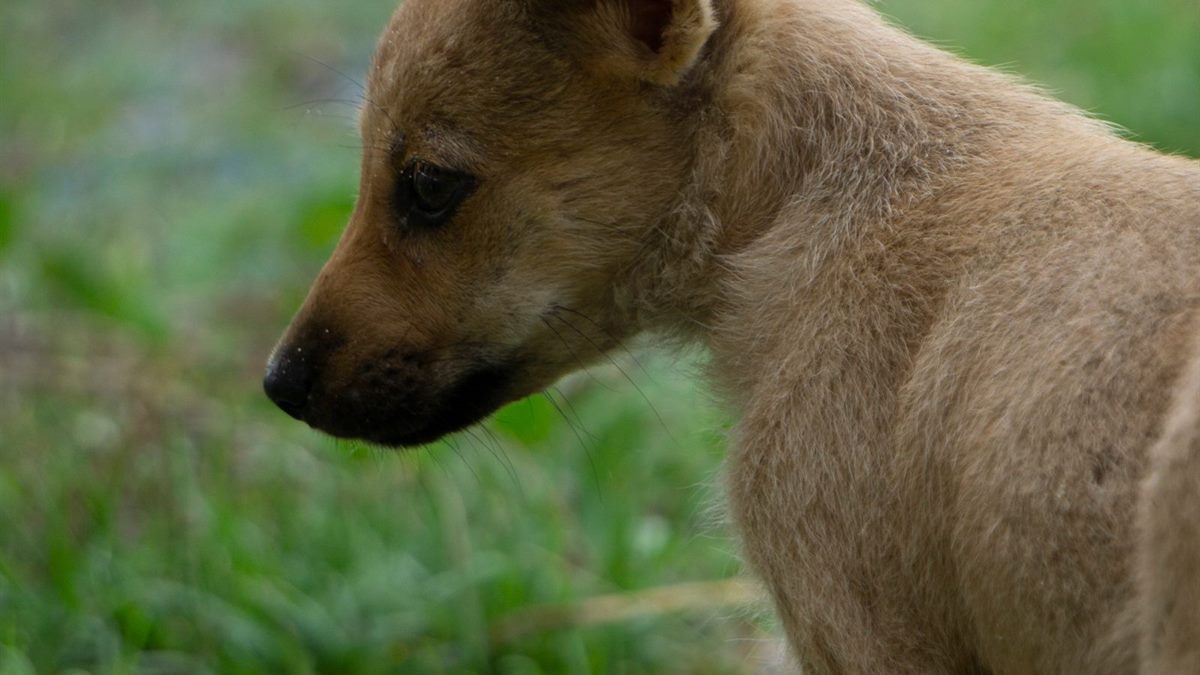
Start with the daily routine
Start with about a quarter of the new food for two days. Increase to half over the next two days. The house decides more than the training session does, because a dog rehearses whatever the environment allows all day.
Set up the home before the habit
Move to three quarters by day six. Finish the switch around day seven if stools are normal. A change in appetite, weight, or energy usually shows up before a behaviour change, so watch the body as closely as the obedience.
Before changing food, gear, or training, write down what a normal day looks like for the dog: wake time, meals, walks, toilet breaks, play, and sleep. Most problems become obvious once the day is on paper, because the gap is usually one missing piece rather than a mystery. Change one item at a time and give it a week, so you know which change helped. Keep notes short and honest, including the days when the plan fell apart. Keep the plan visible where the family walks past it, and let everyone update it rather than one person. If two people give different rules, the dog learns the loophole instead of the rule. Review the note every Sunday, cross out what did not happen, and keep the parts that did. Progress is measured in weeks, not days, so do not rewrite the whole routine after one bad afternoon.
Watch for loose stools, vomiting, or itching. A routine only works if the household can keep it on a bad week, so choose the version you can repeat rather than the ideal one.
Check before you change anything
- Mix old and new food
- Take at least seven days
- Watch the stools
- Keep portions stable
Watch the body, not only the behaviour
Slow down the schedule if the stomach is upset. Keep portions the same during the transition. Gear should make the routine easier, not add a new task to it.
Check the feeding guide on the new bag, which may differ. Avoid switching brands and formulas at the same time.
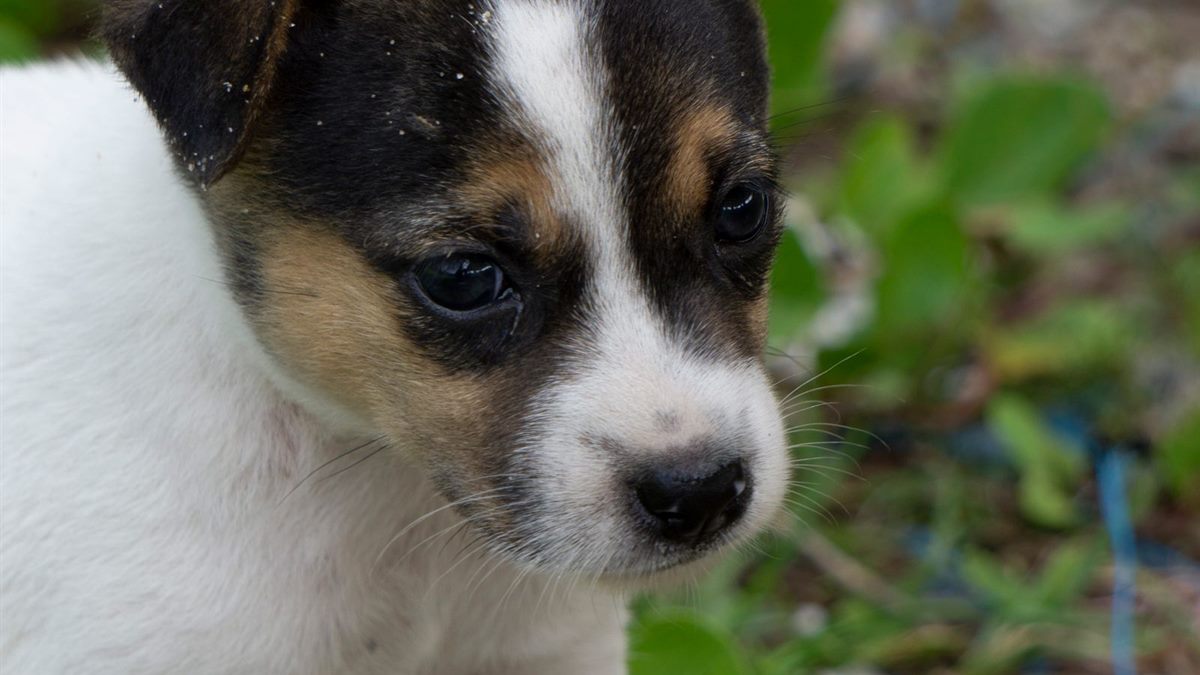
Keep the plan sustainable
Keep the old food until the switch is complete. Note the date and the reaction in a log. Write the plan down, share it with everyone in the house, and review it after a month.
If the dog is young, sick, or new to the house, lower the expectations rather than the standard. Short, frequent sessions beat one long one, and a calm ending is worth more than an extra repetition. Keep the vet informed when appetite or energy changes, because behaviour advice cannot fix a medical problem. The best routine is the one that survives a busy week without anyone feeling guilty. Bring the plan to the vet if the dog is older, on medication, or recovering from an injury, because exercise and feeding advice must match the treatment. Ask what to change first if money or time is short, and do that one thing properly. A short walk done daily beats a long one done occasionally, and a dog that knows the order of the day settles faster.
Ask the vet before a therapeutic diet. Avoid feeding from the table during the change. A slow switch costs a week and prevents most digestive problems. If you want the wider picture, read Grooming a Dog at Home before you decide.
For the underlying guidance, see the ASPCA dog care guides.
Frequently Asked Questions
How long should a food switch take?
About seven days for most dogs. Sensitive stomachs may need two weeks.
What if my dog gets diarrhoea?
Slow the schedule and keep the old food longer. Call the vet if it persists.
Can I switch food suddenly?
It often causes an upset stomach. Gradual mixing is safer.
Should I change food for a puppy?
Use a puppy formula and switch gradually at the recommended age.
Read next
The First Week With a Puppy: A Calm, Practical Plan
The first week is not about teaching tricks. It is about safety, sleep, and a routine predictable enough that a puppy can relax.