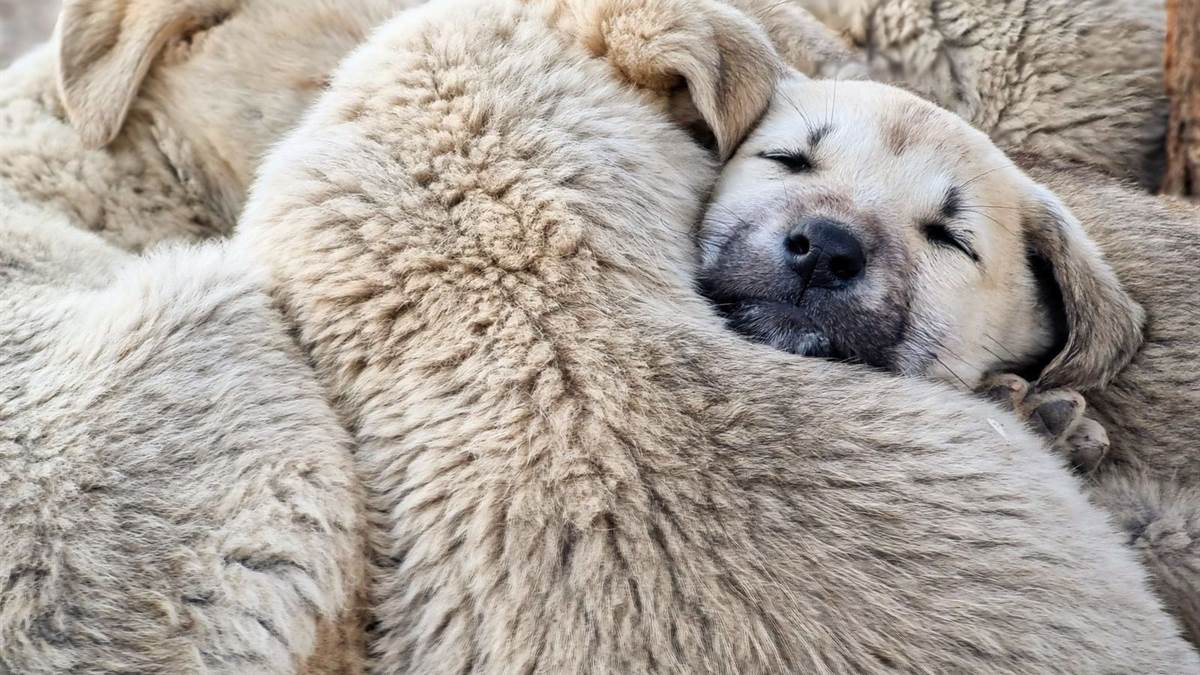
Take the puppy out after waking, eating, and playing. Choose one toilet spot and use it every time. Dogs settle when the day has a shape they can predict, and most behaviour problems shrink once feeding, walking, and rest happen at roughly the same time.
Start with the daily routine
Go outside with the puppy rather than sending it alone. Reward immediately when the puppy finishes. The house decides more than the training session does, because a dog rehearses whatever the environment allows all day.
Set up the home before the habit
Watch for sniffing and circling, which signal a need to go. Take the puppy out during the night while it is very young. A change in appetite, weight, or energy usually shows up before a behaviour change, so watch the body as closely as the obedience.
Before changing food, gear, or training, write down what a normal day looks like for the dog: wake time, meals, walks, toilet breaks, play, and sleep. Most problems become obvious once the day is on paper, because the gap is usually one missing piece rather than a mystery. Change one item at a time and give it a week, so you know which change helped. Keep notes short and honest, including the days when the plan fell apart. Keep the plan visible where the family walks past it, and let everyone update it rather than one person. If two people give different rules, the dog learns the loophole instead of the rule. Review the note every Sunday, cross out what did not happen, and keep the parts that did. Progress is measured in weeks, not days, so do not rewrite the whole routine after one bad afternoon.
Keep meals on a regular schedule. A routine only works if the household can keep it on a bad week, so choose the version you can repeat rather than the ideal one.
Check before you change anything
- Go out after waking and eating
- One toilet spot
- Reward immediately
- Clean with enzyme cleaner
Watch the body, not only the behaviour
Clean accidents with an enzyme cleaner that removes the smell. Never punish an accident after the fact, which teaches fear. Gear should make the routine easier, not add a new task to it.
Keep the puppy in sight or in a safe pen between breaks. Increase the time between breaks gradually.
Keep the plan sustainable
Expect accidents in the first weeks and stay calm. Take the puppy out after a nap, even a short one. Write the plan down, share it with everyone in the house, and review it after a month.
If the dog is young, sick, or new to the house, lower the expectations rather than the standard. Short, frequent sessions beat one long one, and a calm ending is worth more than an extra repetition. Keep the vet informed when appetite or energy changes, because behaviour advice cannot fix a medical problem. The best routine is the one that survives a busy week without anyone feeling guilty. Bring the plan to the vet if the dog is older, on medication, or recovering from an injury, because exercise and feeding advice must match the treatment. Ask what to change first if money or time is short, and do that one thing properly. A short walk done daily beats a long one done occasionally, and a dog that knows the order of the day settles faster.
Limit water in the evening for a young puppy. Keep the routine the same for everyone in the house. Consistency matters more than any special technique. If you want the wider picture, read The First Week With a Puppy: A Calm, Practical Plan before you decide.
For the underlying guidance, see the ASPCA dog care guides.
Frequently Asked Questions
How long does house training take?
Weeks for a puppy, longer for some breeds. Consistency speeds it up.
Why does my puppy pee inside after going out?
It may not have finished. Stay outside a little longer and reward the second attempt.
Should I scold an accident?
No. It teaches fear and hiding. Clean calmly and increase the breaks.
Can I use pee pads?
They work for a short period, but transition to outside as soon as possible.
Read next
The First Week With a Puppy: A Calm, Practical Plan
The first week is not about teaching tricks. It is about safety, sleep, and a routine predictable enough that a puppy can relax.