Bringing a puppy home is usually described as exciting. For the puppy, it is the week its mother, littermates, and familiar smells disappear. The first week works best when you treat it as a settling-in period rather than a training boot camp. Your job is to keep the puppy safe, fed, warm, and on a rhythm it can predict. Everything else can wait.
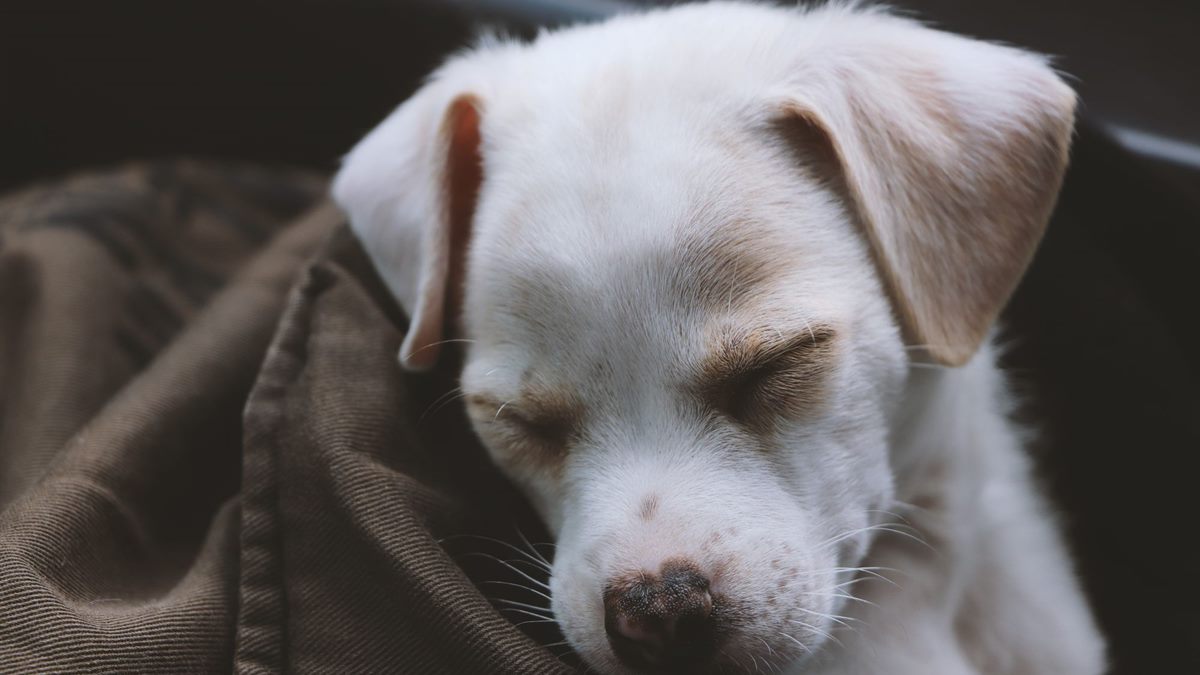
Set up one safe room before the puppy arrives
Choose a small, easy-to-clean room and strip it down. Cables, houseplants, rugs, shoes, bins, and medication all move out of reach. A puppy explores with its mouth, so the floor should contain only things you are happy for it to chew. Use a pen or a baby gate rather than giving free run of the house. Inside the pen, place a crate with the door open, a water bowl that cannot tip, and a washable bed.
The crate should be large enough to stand, turn, and lie down, but not so large that the puppy can toilet in one corner and sleep in another. Cover three sides with a blanket to create a den, and leave the front open so the puppy can choose to settle.
Build the day around food, sleep, and toilet breaks
Young puppies sleep most of the day and need to toilet far more often than adults. A predictable loop works better than watching the clock in a panic: wake, toilet, food, play, toilet, sleep. Take the puppy outside or to the pad immediately after waking, after eating, after play, and every one to two hours in between.
Feed the same food the breeder or shelter was using for at least the first week. A sudden change adds digestive upset to an already stressful move. If you need to switch, do it gradually after the puppy has settled. Fresh water stays available at all times.
Puppies also need short, calm play and then help switching off. Overtired puppies bite harder and cry more. A chew toy and a dim room are better than another game when the puppy starts losing control.
The first night: lower the stakes
Whining on the first night is normal. The puppy has never slept alone. Put the crate in your bedroom or just outside the door so it can hear you, and keep the routine boring. A toilet break in the night is reasonable for a young puppy. Endless conversation and lights-on play teach the puppy that night-time is social time.
A warm, safe bed and a predictable wind-down routine matter more than a perfect night. If the puppy is safe and the room is clean, some crying can be allowed to settle. If the crying is frantic, check for toilet, thirst, or temperature first.
Introduce the household one variable at a time
Do not turn the first week into a social event. Meet the people who live in the home first, one calm person at a time. Children should sit on the floor and let the puppy approach, with an adult supervising. Other pets need a barrier at first: separate rooms, scent swapping, and short, controlled sightings.
Keep comings and goings quiet. A house full of visitors, music, and lifted voices is a lot for an animal that has just left everything it knew. Visitors can wait until the puppy has a routine.
Book the vet visit in the first few days
Arrange a check-up within the first few days, even if the puppy looks healthy. The vet can confirm the vaccination and deworming schedule, check for parasites, discuss microchipping, and review the food and weight. Bring any records from the breeder or shelter and a fresh stool sample if you can.
Write your questions down before you go. Ask what symptoms should prompt a call, what the next vaccination date is, and how much the puppy should weigh at the next visit. The ASPCA dog care guidance is a useful reference for general health and safety topics between appointments.
What to skip in week one
- Long outings or crowded places before the vaccination schedule is complete.
- Inviting every friend and relative to meet the puppy in the first week.
- Giving the puppy free run of the whole house before toilet habits exist.
- Changing food, adding rich treats, or introducing many new chews at once.
- Punishing accidents instead of taking the puppy out more often.
- Starting formal obedience classes before basic trust and routine are in place.
Signs the week is going well
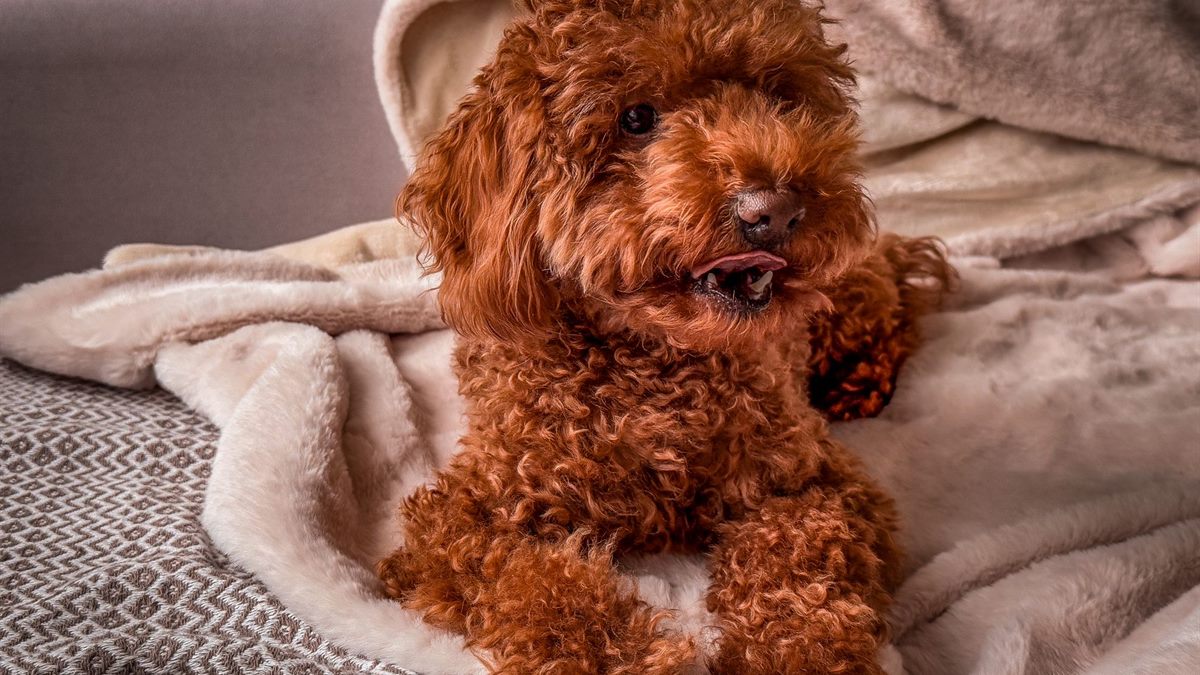
By the end of the first week, you want a puppy that seeks out its bed, eats with normal enthusiasm, produces firm stool, and follows you around without panic. Toilet accidents will still happen. The goal is a trend, not a clean floor.
Once the puppy is settled, the next challenge is movement. A calm daily dog walk routine builds on the same loop you started indoors: predict, toilet, explore, rest. Keep the first walks short and quiet, and increase them as the puppy grows.
The first week is a foundation, not a test. If the puppy sleeps, eats, and feels safe, you have done the important work.
Frequently Asked Questions
How long should a puppy sleep on its first night home?
Expect broken sleep. A young puppy may need one or two toilet breaks during the night. Keep the room dark and quiet, avoid play, and return the puppy to the crate after each break.
Should I crate my puppy in the first week?
A crate with the door open is a useful safe space, not a punishment. Place it in the room where the family sleeps, remove collars and toys that could catch, and let the puppy choose to enter. Never leave a young puppy crated for long periods.
How often should a puppy go out to toilet?
Roughly every one to two hours while awake, plus immediately after waking, eating, drinking, and playing. Small puppies have small bladders and little control, so frequency matters more than correction.
Can I take my puppy outside before all vaccinations are done?
Ask your vet about local risk. Carry the puppy in low-risk areas, avoid unknown dogs and contaminated ground, and use your own yard if it is safe. The vaccination schedule and local disease risk should guide the decision.
Read next
How to Build a Daily Dog Walk Routine That Holds
A walk routine fails when it depends on perfect weather and free evenings. The version that lasts is built around predictable slots, not one heroic outing.