An automatic feeder is a timer with a hopper. It is genuinely useful for a cat that wakes the house at five in the morning, or for splitting a daily ration into four small meals. It is not a substitute for supervision, and for some pets it is a bad idea entirely. Decide which problem you are solving before you buy.
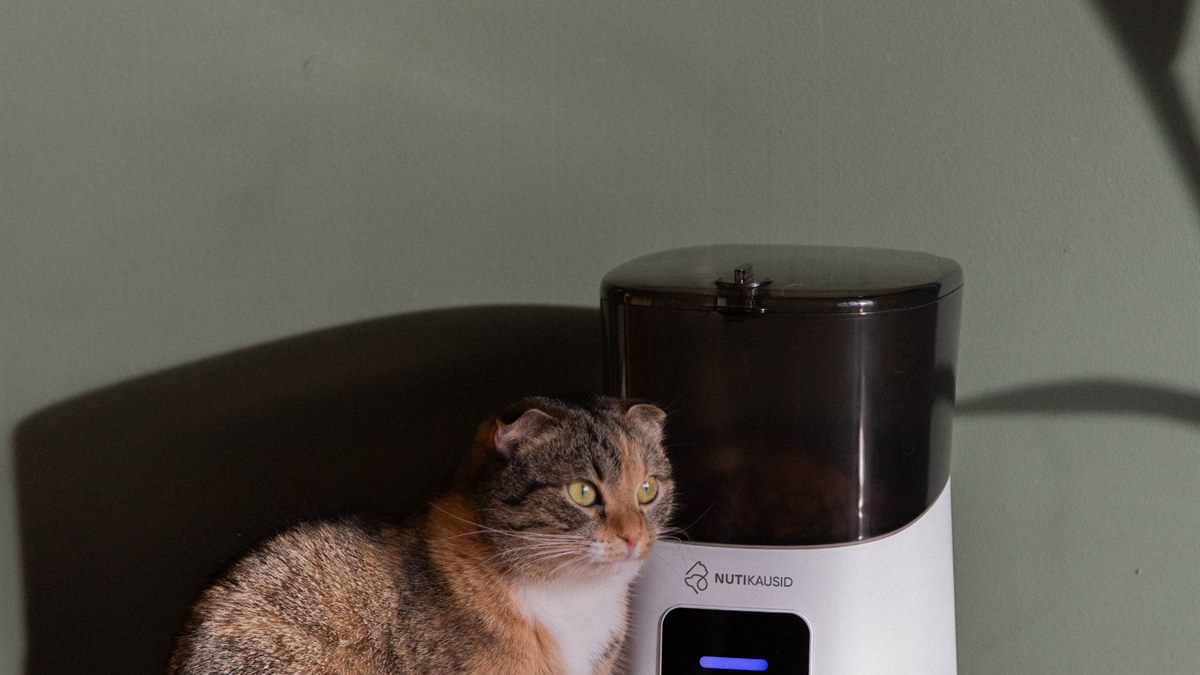
What a feeder does well
The main benefit is consistency. Small, frequent meals suit cats better than one large one, and a feeder can deliver them while the household is at work. It also removes the human from the begging loop: the cat learns that food comes from the machine, not from a person who can be worn down.
If a pet needs a measured ration, a feeder enforces it. That is useful for weight plans, where the household may not all measure the same way. It is not a licence to leave a pet alone for days; fresh water, company, and a clean litter box still need a person.
Portion accuracy and the hopper
Look for feeders that dispense by volume in consistent increments and state the kibble size range they support. Very small or very large kibble jams many dispensers. Test the portion into a cup and weigh it: the setting marked as one portion may be more than your pet needs.
Dry food only is the rule for most hoppers. Wet food feeders exist but need refrigeration and strict hygiene, and they are a different product category. If your pet eats wet food, a feeder may not solve the mealtime problem at all.
Power and failure modes
- Battery backup so a power cut does not skip a meal.
- A hopper lid that locks, or a pet that will learn to open it.
- A bowl that cannot be tipped or dragged away.
- Simple mechanical dispensing rather than an app that depends on Wi-Fi.
- No small parts that a determined pet can chew loose.
- A dispenser that does not jam on the kibble you actually buy.
Multi-pet homes
One feeder and two pets means the faster animal eats both meals. Microchip feeders that open only for a registered pet solve this, at a higher price. Otherwise, feed pets in separate rooms, which defeats part of the convenience.
A multi-pet home also needs a plan for the pet that is on a prescription diet. A shared feeder cannot enforce different food for different animals.

When not to use a feeder
Skip the feeder for a pet with a medical condition that affects appetite or digestion, unless the vet has approved the plan. A diabetic cat on insulin, a pet recovering from surgery, or an animal with a history of bloat needs a person watching the meal, not a timer.
Also skip it if the pet is a chewer that targets cables and plastic. A feeder cord is a shock risk, and a hopper lid is not a chew toy. Route the cable out of reach or choose a battery-only model.
Cleaning and the first week
Clean the bowl daily and the hopper every week or two, depending on the food. Old kibble at the bottom of a hopper goes stale and can grow mould. Disassemble what the manufacturer allows and dry it fully before refilling.
Introduce the feeder while you are home. Run it empty first so the noise is not a surprise, then run a normal portion beside the old bowl. Most pets adapt within a few days. The ASPCA nutrition guidance is a useful reminder of portion and body condition basics.
If the goal is weight control, pair the feeder with proper measurement; the guide to pet weight management covers portion tracking and safe loss rates.
Frequently Asked Questions
Are automatic pet feeders safe?
For healthy pets eating dry food, yes, provided the feeder has battery backup, a secure lid, and a stable bowl. They are not suitable for pets with conditions that need mealtime supervision.
Can I use a feeder with wet food?
Most hopper feeders are for dry food only. Wet food requires refrigeration and strict hygiene, and needs a different type of feeder with a cooled compartment.
How do I stop one pet eating another pet food?
Use a microchip feeder that opens only for the registered pet, or feed in separate rooms. A single shared feeder cannot enforce different diets in a multi-pet home.
How much food does one portion dispense?
It varies by model and kibble size. Measure the dispensed amount with a cup or scale and adjust the schedule to your pet daily ration rather than trusting the label.
Read next
Pet Carrier Buying Guide: Fit, Airflow, and Safety
A carrier is a small, hot box if it is chosen by looks. Measure the pet, check the latches, and test the door before you buy.