Measure the chest behind the front legs. Check the weight range for the size, not only the breed. Most gear problems are sizing problems, and a product page photo hides the dimensions that decide whether the item works.
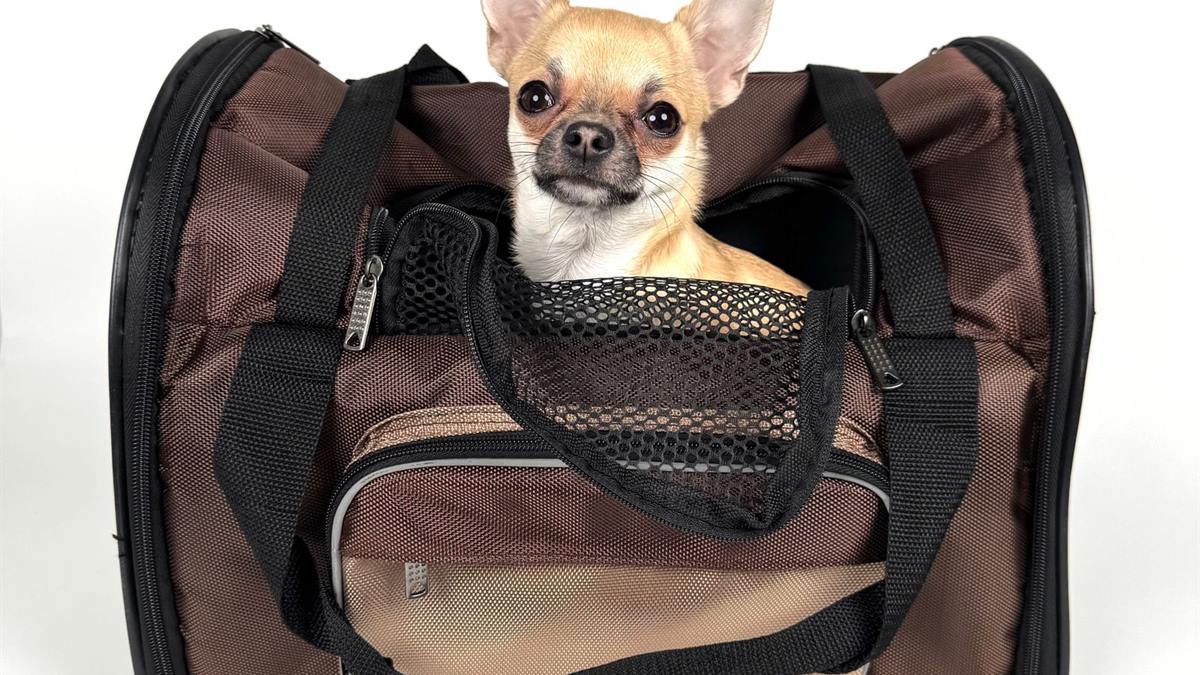
Measure before you buy
Fit the harness and check for two fingers of clearance. Watch the shoulder movement with the harness on. Safety details, such as ventilation, locking points, and non-toxic materials, matter more than the features listed on the box.
Check the safety details
Check for rubbing under the front legs. Test the front clip, which reduces pulling. A carrier or feeder should be tested at home before it is needed, so the animal is not meeting it for the first time on a stressful day.
Write the animal measurements and the space available before opening a store page, then check the product dimensions against both. Read the recent reviews for the size you are buying rather than the model in general, and look for mentions of cleaning, weight, and assembly. If the item has a safety rating or a test standard, read what it actually covers, because a label is not a guarantee. Compare the measured dimensions with the space, not with the photo, because scale in product images is misleading. Filter for the size the animal needs and read the reviews from buyers with a similar weight or length, since a review from a much smaller pet tells you nothing. Check the return window and the shipping cost before ordering, because returning an oversized crate is expensive.
Adjust the straps evenly rather than on one side. Gear that is hard to clean gets skipped, and skipped gear fails when it matters.
Before you order
- Measure the chest
- Two fingers of clearance
- Check the shoulders
- Never use a walking harness as a car restraint
Test it at home first
Check the stitching and the buckles before use. Use a harness rather than a collar for a strong puller. Buy for the animal you have, not the one you might adopt later.
Wash the harness according to the label. Replace a harness with frayed straps.
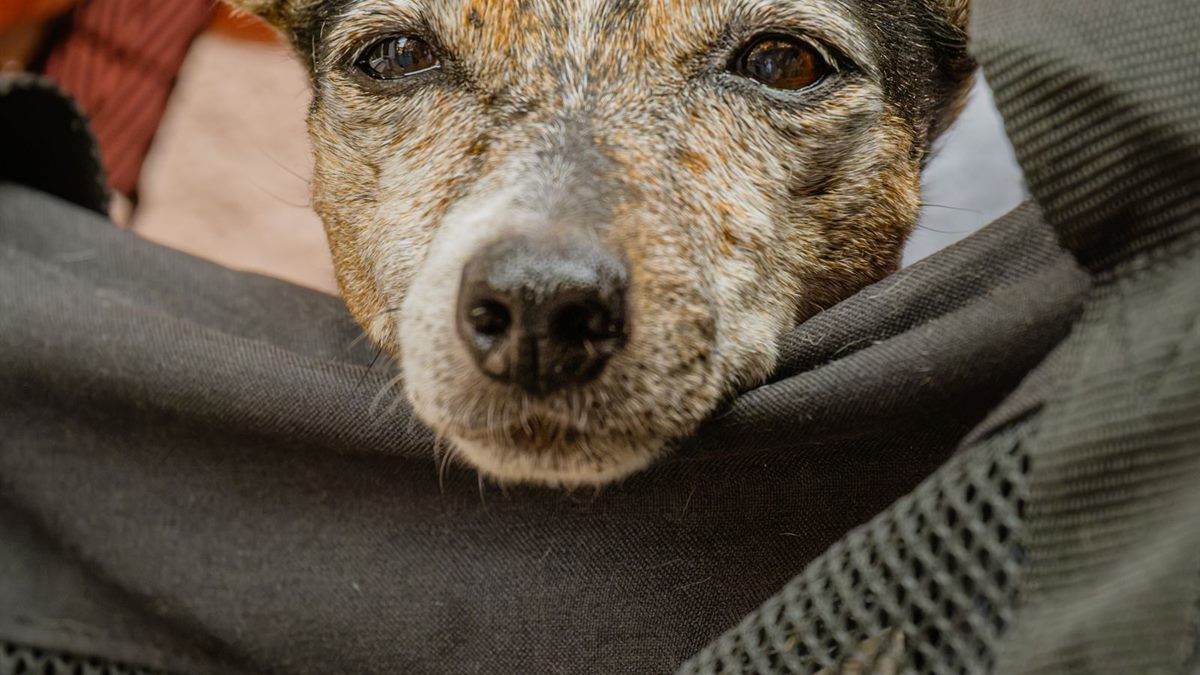
Keep it clean and usable
Test the fit after a haircut or a weight change. Check the harness in the car, where it should be crash tested. Keep the receipt and the box until the item has survived a normal week.
When the item arrives, test it at home with treats and short sessions before a real trip or a full meal. Return it within the window if the fit is wrong, rather than storing it in case it becomes useful. Clean it according to the instructions, keep the spare parts together, and replace worn straps or seals before they fail rather than after. If the item needs assembly, check that the tools are included and that the parts fit before the return window closes. Keep the instructions in a drawer with the receipt, since a missing part is easier to replace while the order is recent. A product that is awkward to clean will be used less, so choose the version you can wipe down in a minute rather than the one with the most features.
Do not use a walking harness as a car restraint. Watch the dog for a week before judging the fit. A well-fitted harness makes walks calmer for both of you. If you want the wider picture, read Buying a Cat Tree That Gets Used before you decide.
For the underlying guidance, see the PDSA pet care advice.
Frequently Asked Questions
How do I measure for a dog harness?
Measure the chest behind the front legs and compare with the size chart.
How tight should a harness be?
Snug with room for two fingers under the straps.
Is a front-clip harness better?
For pulling, often yes. It redirects the dog rather than tightening on the throat.
Can I use a harness in the car?
Only a crash-tested car harness. A walking harness is not designed for a collision.
Read next
Pet Carrier Buying Guide: Fit, Airflow, and Safety
A carrier is a small, hot box if it is chosen by looks. Measure the pet, check the latches, and test the door before you buy.