Extra weight on a pet is rarely a single decision. It is a scoop that got a little fuller, a second treat after dinner, and a winter with fewer walks. Because the change is gradual, it is easy to normalise. The good news is that the same slow logic works in reverse: measure, track, and adjust in small steps.
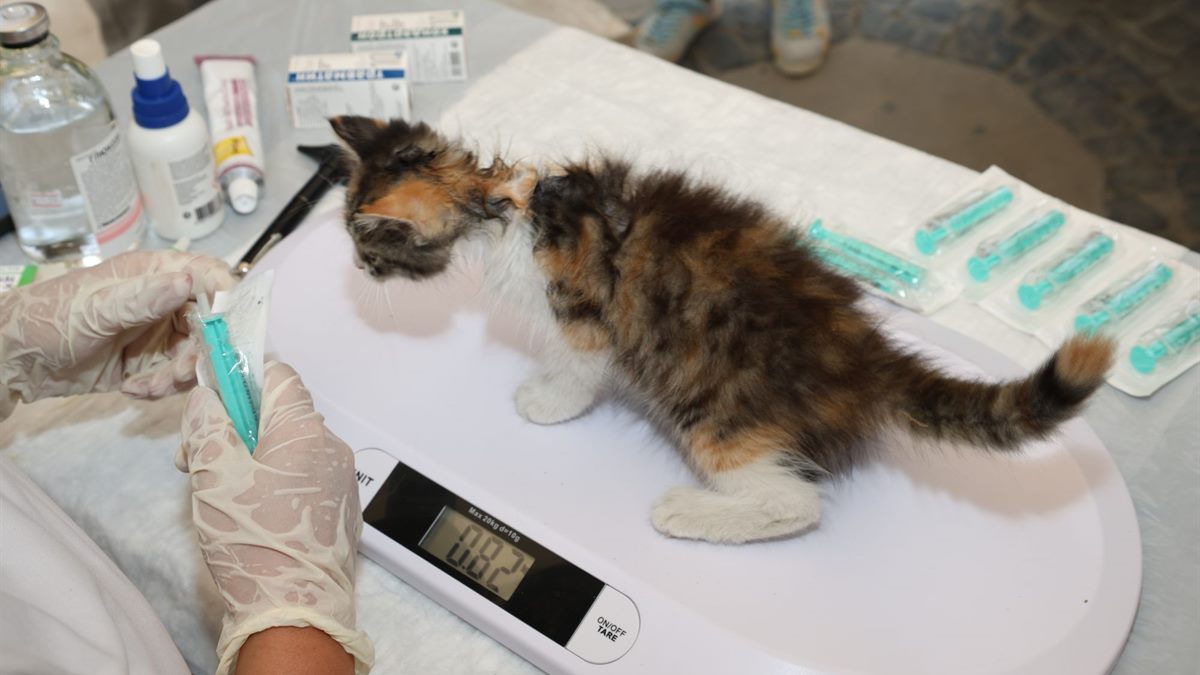
Judge body condition, not just the number
A scale number means little without the pet's frame. Body condition scoring checks what you can feel and see. Run your hands along the ribs: they should be easy to feel under a thin layer of fat, without pressing hard. Look from above for a visible waist behind the ribs, and from the side for a tucked belly.
Ask the vet to score the pet and show you what the target feels like. A breed with a heavy coat or a broad chest can look overweight when it is not, and a slim pet can be underweight. The hands-on check is more reliable than the mirror.
Measure every meal
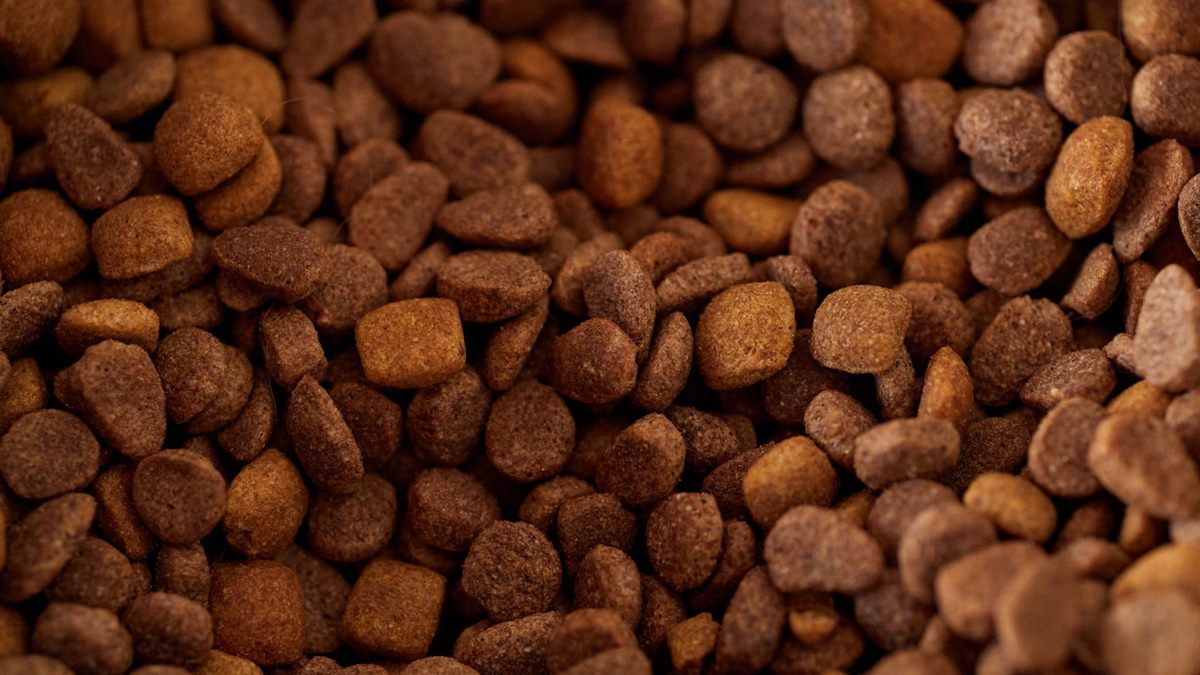
Use a kitchen scale for dry food or a marked measuring cup, and level the scoop. A heaped cup can be twenty to thirty percent more food than a level one. Split the daily ration into two or more meals so the pet is not waiting all day for a single bowl.
Follow the feeding guide on the package as a starting point, then adjust to the pet, not the label. The guide is based on an average activity level, and most indoor pets are below average. If the vet has given a target amount, use that number instead.
Count the treats
- Treats should stay under about ten percent of daily calories.
- Break larger treats into small pieces so the count stays high but the calories stay low.
- Subtract treat calories from the meal ration rather than adding them on top.
- Use part of the daily kibble as training rewards instead of separate treats.
- Account for chews, dental sticks, and human food, which are easy to forget.
- Ask every household member to follow the same rules; extra feeders are the usual culprit.
Set a safe rate of loss
Weight loss should be gradual. For dogs, roughly one to two percent of body weight per week is a common target. For cats, slower is safer; rapid loss can cause serious liver problems. A vet should supervise any plan that removes a significant amount of food, especially for cats.
Weigh the pet every two weeks on the same scale, at the same time of day, and record it. If the weight is not moving after three or four weeks of accurate measuring, adjust by about ten percent rather than cutting drastically.
Exercise that fits the household
More movement helps, but it has to be realistic. Two shorter walks are easier to sustain than one long one that gets skipped. For cats, play counts: a few short sessions with a wand toy each day burn energy and reduce begging. Food puzzles slow eating and add mental work.
Do not use exercise as a punishment for weight, and do not increase it sharply in an older or arthritic pet. Build up gradually and watch for lameness or reluctance.
When weight will not move
If the plan is measured and consistent but the weight is stuck, or if the pet is gaining despite a normal appetite, ask the vet about thyroid, hormonal, and joint problems. Some medication increases appetite, and some conditions make activity painful. The WSAVA global nutrition guidelines explain body condition scoring and safe weight plans in detail.
Bring the weight log to the appointment; it saves time and makes the conversation concrete. If the last check-up is overdue, the vet visit checklist covers what to prepare and what to ask.
Frequently Asked Questions
How can I tell if my pet is overweight?
Use body condition scoring: ribs easy to feel under a thin layer of fat, a visible waist from above, and a tucked belly from the side. Ask your vet to demonstrate the target on your pet.
How fast should a pet lose weight?
Dogs commonly lose about one to two percent of body weight per week. Cats should lose weight more slowly and only under veterinary supervision, because rapid loss is dangerous.
Do treats really matter for weight?
Yes. Treats and chews are easy to overlook and can add a large share of daily calories. Keep them under about ten percent of intake and subtract them from the meal ration.
What if my pet is not losing weight despite a diet?
Check that portions are weighed and that every household member follows the plan. If weight still does not move, ask the vet about thyroid, hormonal, and joint conditions.
Read next
Vet Visit Checklist: What to Bring and What to Ask
A good vet visit starts at home. Notes, records, and a short symptom log turn a rushed ten minutes into a useful appointment.