A rabbit kept in a hutch at the end of a garden is a rabbit that is bored, lonely, and exposed. House rabbits live longer, calmer lives when the home is set up for them. The trade-off is proofing: cables, skirting boards, and houseplants all become chew targets. Plan the space before the rabbit arrives, not after the first cable is cut.
Space comes first
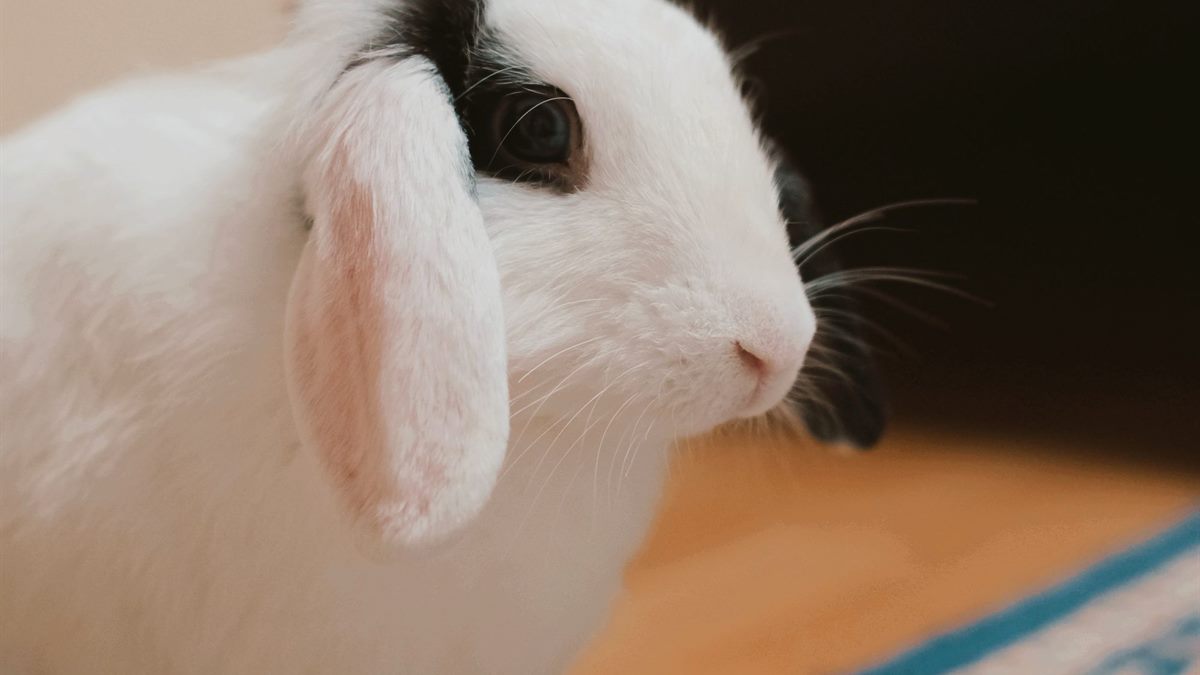
The old hutch dimensions are far below what a rabbit needs. Think in terms of an exercise area rather than a cage. A single rabbit needs a secure run of at least three square metres, and a pair needs more. The enclosure is a base; the rabbit also needs supervised time in a larger proofed room each day.
Height matters as well as floor area. Rabbits stand upright to look around and need at least a metre of clearance in part of the space. A pen with a roof is useful, but the rabbit should not be able to launch itself over the side from a hideout.
Proof the room like a toddler lives there
Cables are the biggest risk. Use cable covers or run them behind furniture, and unplug what you can. Block gaps behind sofas and under units, because a rabbit that squeezes into a cavity may not come out. Houseplants need to move out of reach; several common species are toxic.
Chewing is not mischief; it is maintenance. Rabbits need safe things to chew constantly, or they will choose your furniture. Untreated wood, cardboard boxes, and hay-based chews redirect the behaviour. Provide more than one option and rotate them.
Litter training is routine, not luck
Rabbits naturally choose a corner to toilet. Put a litter tray there, filled with paper-based litter and topped with hay, and keep it clean. Most rabbits train quickly once the tray is in the right place and the space is not too large at the start.
Never use clumping cat litter, wood shavings with strong scent, or anything the rabbit might eat. A rabbit that eats litter can develop a blockage. Hay belongs in or beside the tray, because rabbits like to eat while they toilet.
Temperature, light, and draughts
Rabbits tolerate cool rooms better than hot ones and cannot sweat effectively. Keep the room out of direct sun and away from radiators. Fresh air matters, but a rabbit sitting in a draught will be uncomfortable. A room between roughly 15 and 21 degrees Celsius suits most house rabbits.
Rabbits are social animals and should not live alone. A bonded pair is the usual answer, and bonding needs space, neutral territory, and patience. A single rabbit needs a great deal of human contact to compensate, which is a commitment rather than a substitute.
The daily routine
- Fresh hay available at all times, topped up twice a day.
- Clean water in a heavy bowl or bottle checked morning and evening.
- Litter tray scooped daily, fully changed every few days.
- At least a few hours of free run in a proofed area.
- Fresh greens introduced gradually and in moderation.
- Daily handling on the rabbit's terms, not forced cuddling.
Health signs to watch
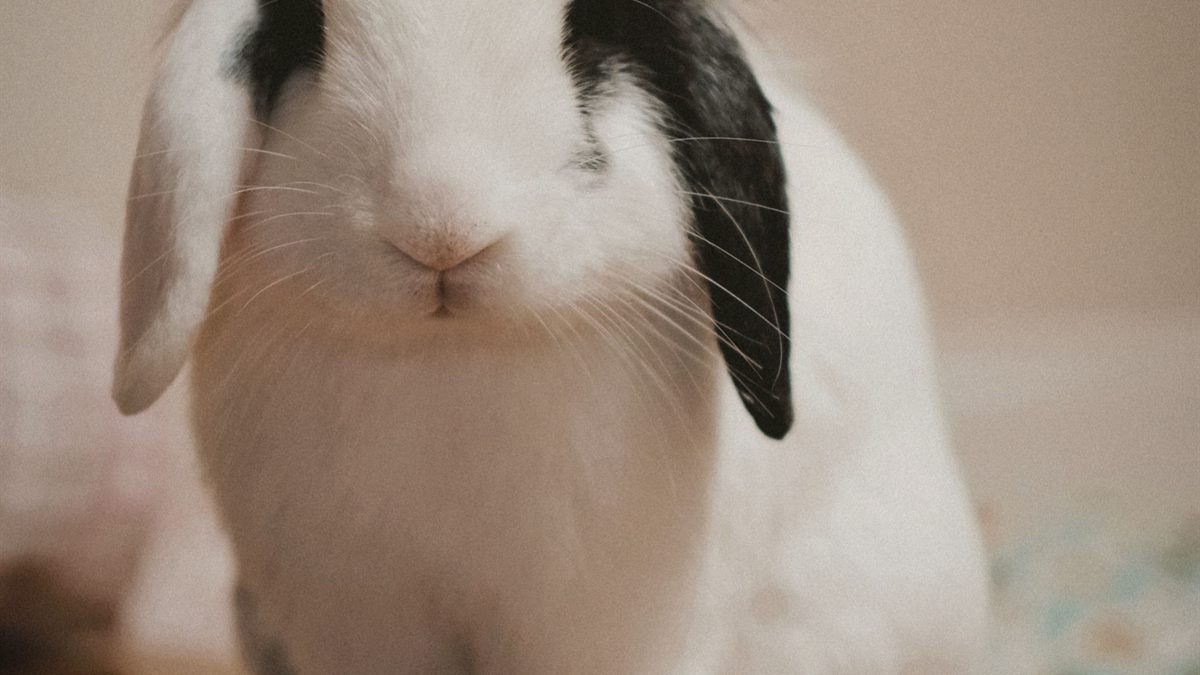
A rabbit that stops eating is an emergency. Gut stasis can develop within hours, and a quiet rabbit sitting in a corner is not a relaxed rabbit. Check droppings daily: size, quantity, and shape tell you more about digestion than any other signal. Dental problems are also common because rabbit teeth grow continuously, which is another reason hay is not optional.
The Rabbit Welfare Association guidance covers housing sizes and welfare needs in detail. If you are still choosing a small pet, compare this space requirement with the hamster cage basics guide; the floor areas are not close.
Set the room up before the rabbit arrives, and expect to adjust in the first month. Watch where the rabbit chooses to rest, chew, and toilet, then arrange the space around those habits.
Frequently Asked Questions
How much space does an indoor rabbit need?
At least three square metres of secure run space for a single rabbit, more for a pair, plus supervised time in a larger proofed room. Height of about a metre in part of the space lets the rabbit stand upright.
Are hutches suitable for rabbits?
A small hutch does not meet a rabbit needs for space, height, or company. Hutches can work as a sheltered base inside a larger run, but not as the whole living space.
Can rabbits be litter trained?
Yes. Put a tray where the rabbit already toilets, use paper-based litter topped with hay, keep it clean, and start with a small area. Most rabbits learn quickly.
Should rabbits live alone?
Rabbits are social and generally do better in a bonded pair. A single rabbit needs substantial daily human contact and company, which is demanding to sustain long term.
Read next
Hamster Cage Basics: Space, Bedding, and Layout
A hamster cage fails on floor area and bedding depth long before it fails on toys. Get those two right and the rest of the setup gets simple.