Check the nails every two to three weeks. Use clippers designed for small animals. A small pet needs floor space, deep bedding, and steady temperatures, and most starter cages provide less of each than the animal requires.

Space and bedding come first
Work in good light so the quick is visible. Trim only the clear tip, away from the pink quick. Hamsters, rabbits, and guinea pigs have different diets, so a generic small-pet mix is the wrong starting point.
Match the diet to the species
Take small cuts rather than one large one. Ask a helper to hold the rabbit securely. Small pets are prey animals, which means handling should be short, supported, and predictable rather than frequent.
Measure the space you can give before choosing the animal or the cage, because the enclosure is the part that cannot be fixed later without cost. Check the bedding depth the species needs, the wheel size for a hamster, and the height a rabbit needs to stand. Read the ventilation path, then place the enclosure away from radiators, draughts, and direct sun, since temperature swings cause more problems than cold alone. Read the species guidance from a welfare organisation rather than the shop, because shop advice is usually shaped by what is in stock. Buy the largest enclosure the room allows, and place it on a stable surface away from noise, so the animal is not shaken by every door. Adjust the bedding depth for digging and nesting, and check that the water bottle or bowl cannot be tipped.
Wrap the rabbit in a towel if it struggles. A cleaning schedule prevents more illness than any supplement does.
Before buying the enclosure
- Check every few weeks
- Trim only the tip
- Use a helper
- Have styptic powder ready
Handle calmly and rarely
Keep the rabbit close to a surface to prevent a fall. Have styptic powder ready in case of a nick. Ventilation matters as much as warmth, because stale air causes respiratory problems quickly.
Reward the rabbit afterwards. Stop if the rabbit panics and try again later.
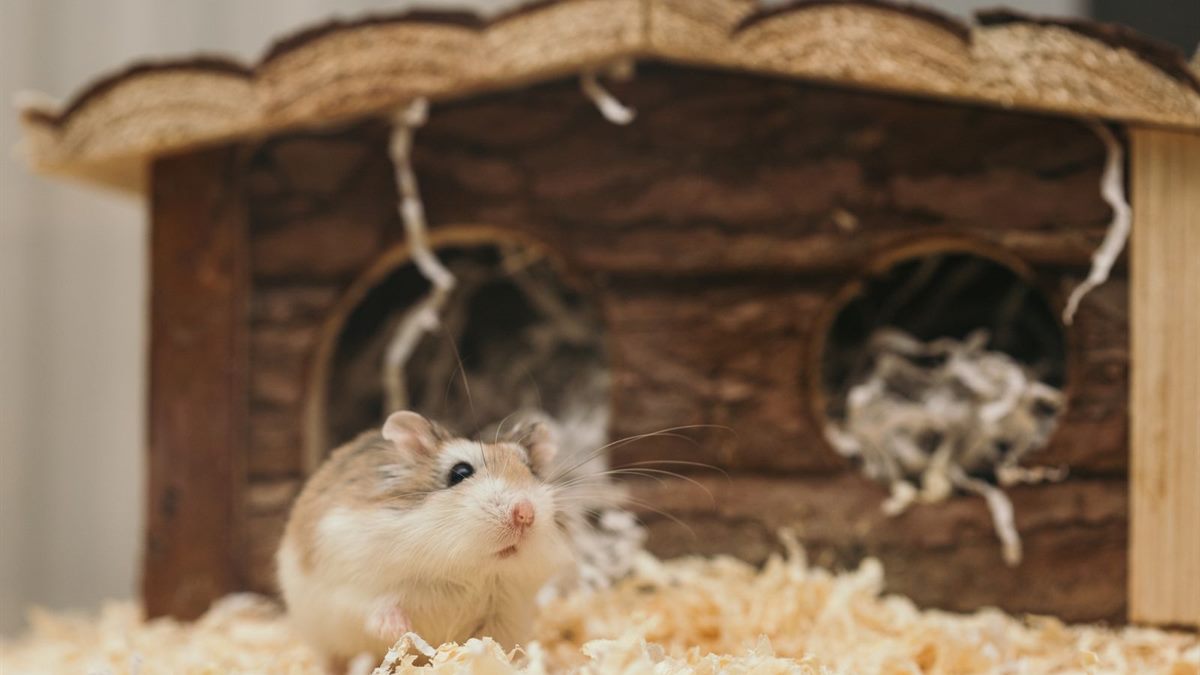
Clean on a schedule
Check the dewclaws, which are often forgotten. Watch for overgrown nails curling into the foot. The enclosure is the pet environment, so improvements there beat new accessories every time.
If the pet hides, stops eating, or breathes noisily, treat it as urgent rather than shy, because small animals decline quickly. Keep the routine steady, handle only what the animal tolerates, and clean in sections rather than replacing all bedding at once. A week of observation before any change usually prevents a purchase that solves nothing. Weigh the animal weekly on a small kitchen scale if the species tolerates handling, because weight is the earliest sign that something is wrong. Write the number down, photograph the enclosure after cleaning, and keep the food bag so the vet can read the label. Small pets hide illness well, so a change in weight, droppings, or breathing deserves a call the same day.
Ask the vet or a groomer if you are unsure. Clean the clippers after use. Regular small trims prevent painful overgrowth. If you want the wider picture, read Handling a Hamster Gently before you decide.
For the underlying guidance, see the RSPCA small pet advice.
Frequently Asked Questions
How often do rabbit nails need trimming?
Every four to six weeks for most rabbits, depending on the surface they live on.
What if I cut the quick?
Apply styptic powder and keep pressure. Call the vet if it does not stop.
Can I use human nail clippers?
Small animal clippers are safer. Human clippers can crush the nail.
Why does my rabbit hate nail trims?
Being held is stressful. Use a towel, a helper, and short sessions.
Read next
Hamster Cage Basics: Space, Bedding, and Layout
A hamster cage fails on floor area and bedding depth long before it fails on toys. Get those two right and the rest of the setup gets simple.