Indoor life is safe, but it is also small. A cat that never hunts, climbs, or chooses a high vantage point can become bored, inactive, or anxious. Enrichment is not a basket of toys. It is the layout of the home: height, texture, sightlines, and a daily pattern that lets the cat use its natural behaviour.
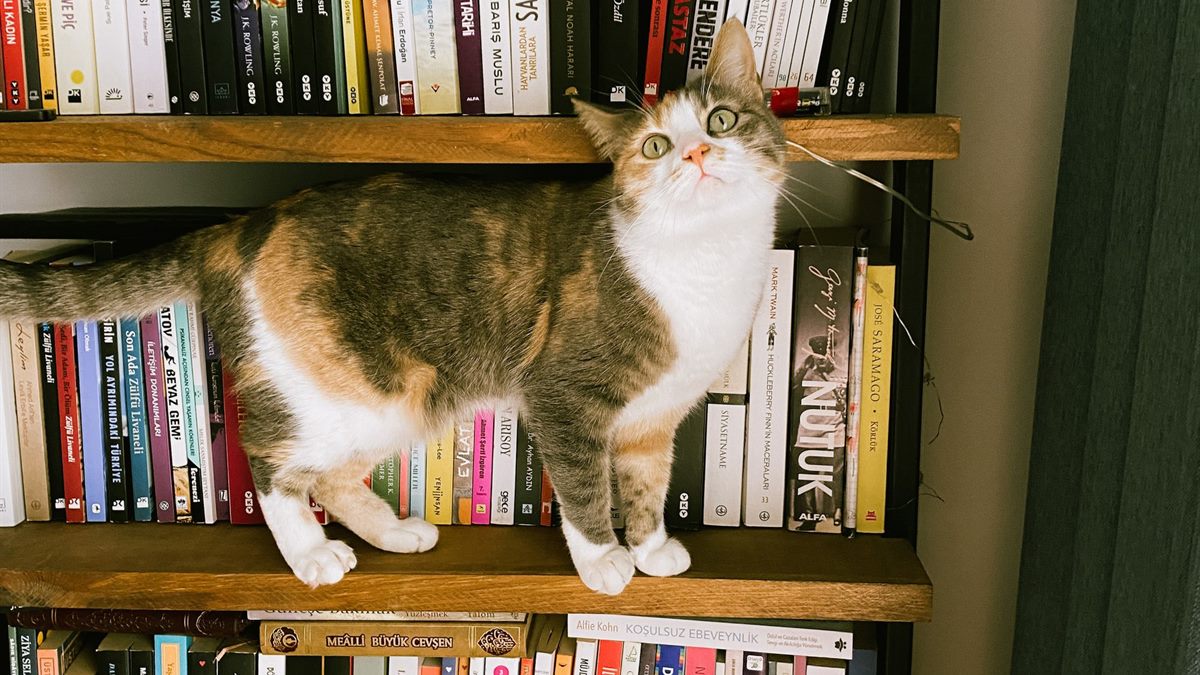
Start with the room, not the toy shop
Walk through your home as a cat would. Where can it climb? Where can it hide? Can it watch a window without being exposed? Is there a warm spot, a scratchable surface, and a quiet route to the litter box? Most enrichment problems are solved by rearranging furniture rather than buying more plastic.
Cats like edges and corners because they feel protected. A bed in the middle of an open floor is less appealing than one against a wall with a view of the door. Notice where the cat already chooses to sit, then make those places better.
Add vertical space in stages
Height makes a small home feel larger and gives a cat a way to retreat without leaving the room. A cat tree near a window is useful, but so is a clear shelf, a sturdy bookcase, or a wall-mounted step. The route matters: a cat should be able to climb without a risky jump and descend without being trapped.
Place the highest perch where the cat can see the room but is not directly above a walkway. If you have more than one cat, provide several high spots so one animal cannot guard the only good one. Secure every shelf and tree to the wall.
Give the cat something to scratch
Scratching is not misbehaviour. It stretches the body, sheds old claw layers, and marks territory. Provide a stable post tall enough for the cat to stretch fully, with a material it likes: sisal rope, cardboard, or rough carpet. Put it next to the sofa or chair the cat is already using.
Most posts fail because they wobble or are too short. A post should not tip when the cat pulls. Offer one vertical and one horizontal scratcher, and place them where the cat spends time.
Feed the hunting sequence
In the wild, a cat works for food. Indoors, a bowl removes that entire sequence. A puzzle feeder, a scatter feed, or a few small meals in different places gives the cat something to do with its nose and brain. Start easy so the cat succeeds, then increase the difficulty.
Wet food can be spread on a lick mat, and dry food can be tossed into a safe area for a search game. Feed several small portions rather than one large bowl if the cat eats quickly or begs.
Play like prey, then stop
Two short play sessions a day are more useful than a long one. Move a wand toy away from the cat, along the floor and around furniture, so the cat can stalk and pounce. Let the cat catch the toy at the end of the session, then give a small meal or a treat. That completes the hunt-eat-groom-sleep cycle and helps the cat settle.
Avoid hands as toys. It teaches biting, and it is hard to undo. Put the wand away after play so the cat does not chew the string.
Use windows and screens safely
A window seat with a view is one of the cheapest enrichment tools available. Add a sturdy perch, keep the sill clear, and make sure the window is secure. Screens should be fitted properly; a cat can push out a loose screen. If you open a window, use a restrictor or a reinforced screen.
Bird feeders outside the window can provide hours of watching. Rotate the view occasionally by moving a perch or opening a different curtain.
Rotate, don’t accumulate
- Keep a small set of toys and rotate them every few days.
- Leave out one or two favourite toys rather than a pile.
- Replace shredded wand strings and broken bells before they are swallowed.
- Provide more than one water source, away from the food bowl.
- Offer a quiet, covered hiding place that is not the litter box.
- Make sure every cat in the home can reach food, water, and a high perch without conflict.
Connect enrichment to litter box comfort
A stimulated cat still needs a clean, private toilet. If enrichment is in place and the cat starts avoiding the box, the box itself is the next thing to inspect. Our guide to cat litter box setup covers size, placement, and cleaning frequency.
For general cat care and behaviour information, the ASPCA cat care guidance is a reliable reference. Enrichment is a daily habit, not a one-time shopping trip. A few consistent changes will do more than a room full of ignored toys.
Frequently Asked Questions
How many toys does an indoor cat need?
Fewer than most people own. A handful of toys rotated every few days keeps novelty higher than a pile left on the floor. Interactive wand toys and puzzle feeders usually matter more than the number of small toys.
Do indoor cats need a cat tree?
Most benefit from vertical space, but a cat tree is not the only option. Secure shelves, a sturdy bookcase, or window perches can work. The key is a stable climbing route with a high place to rest.
How much play does an indoor cat need?
Two short sessions a day, around five to ten minutes each, suit many cats. End with a catch and a small meal or treat. Adjust to the cat’s age and energy; a senior cat may prefer gentler, shorter play.
Why does my cat ignore new toys?
Cats often prefer movement and predictability over novelty. Try a wand toy that mimics prey, play at the cat’s active times, and put toys away between sessions. A toy that sits still is easy to ignore.
Read next
Cat Litter Box Setup That a Cat Will Actually Use
Most litter box problems are setup problems. A box too small, too deep, too close to the food, or cleaned too rarely will send a cat elsewhere.